ACCRA

TECHNICAL

UNIVERSITY

Integrity, Creativity, & Excellence

Integrity, Creativity, & Excellence

PREMIER NEWS

ARCATU 2026 Opens Conversations on Research, AI and Development. ATU brings researchers, industry and government together to explore practical solutions.

Conference participants and general public can download conference images via https://directorateofpublicaffairs-atu89.pixieset.com/arcatu2026opensconversationsonresearchaianddevelopmentday1/

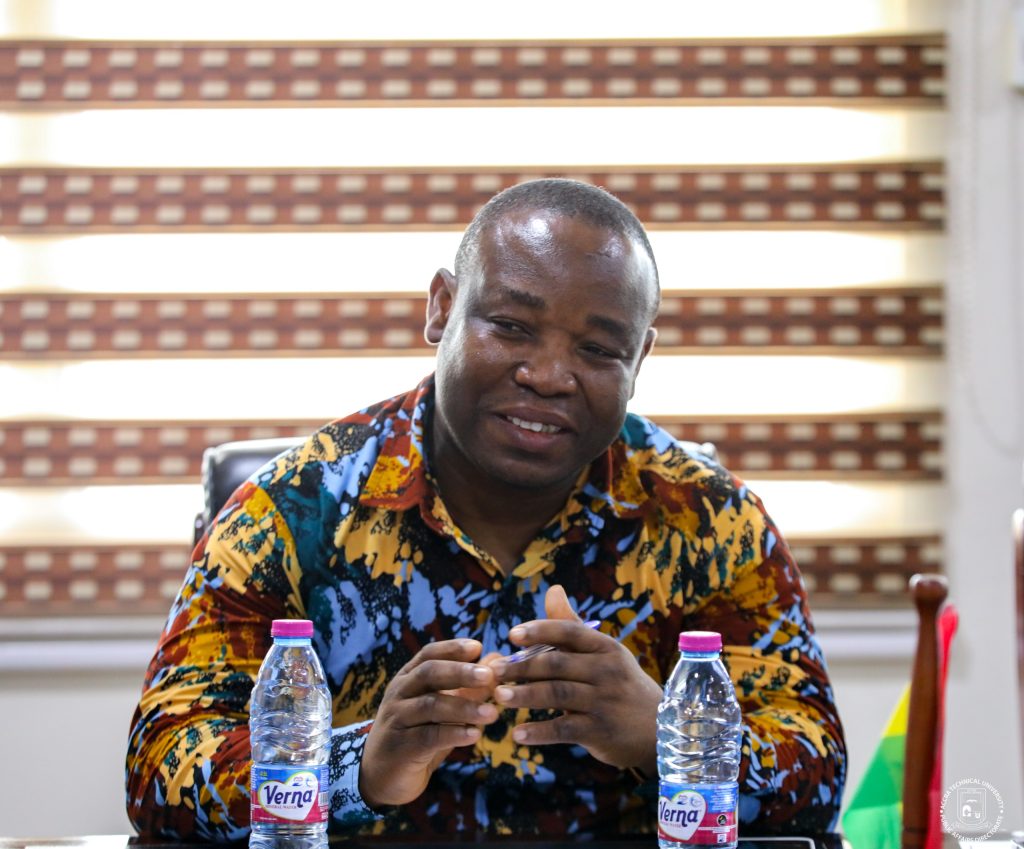
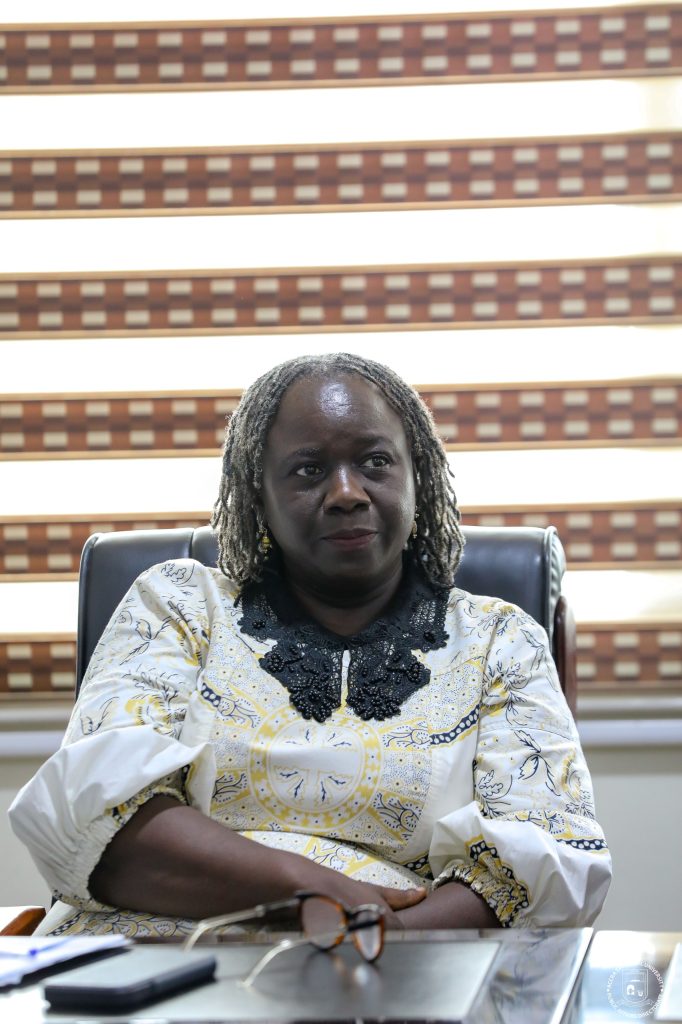
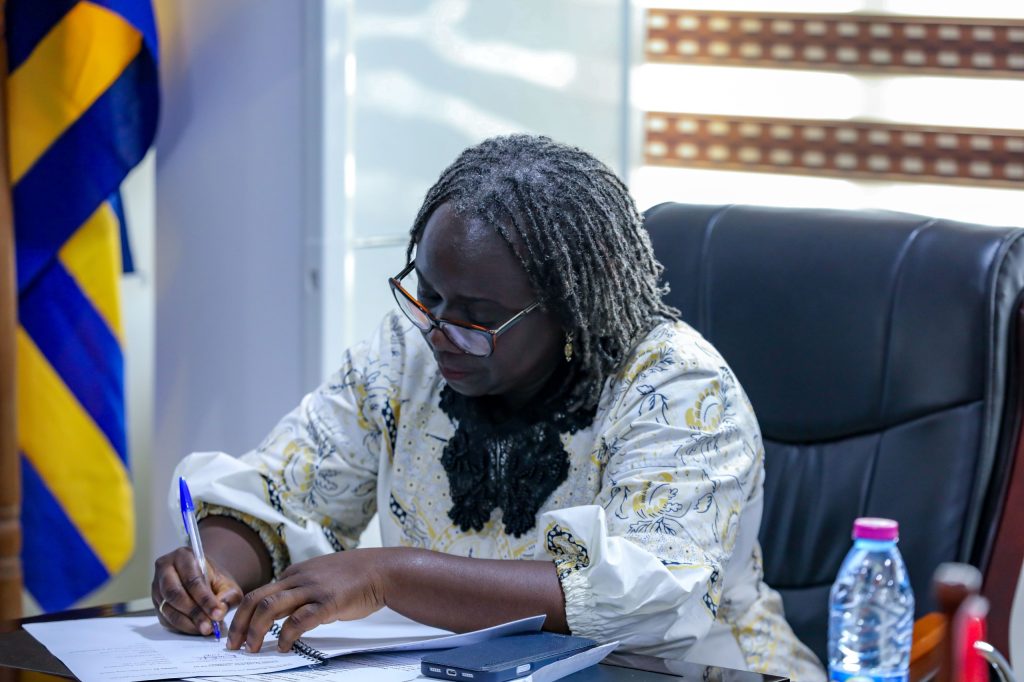
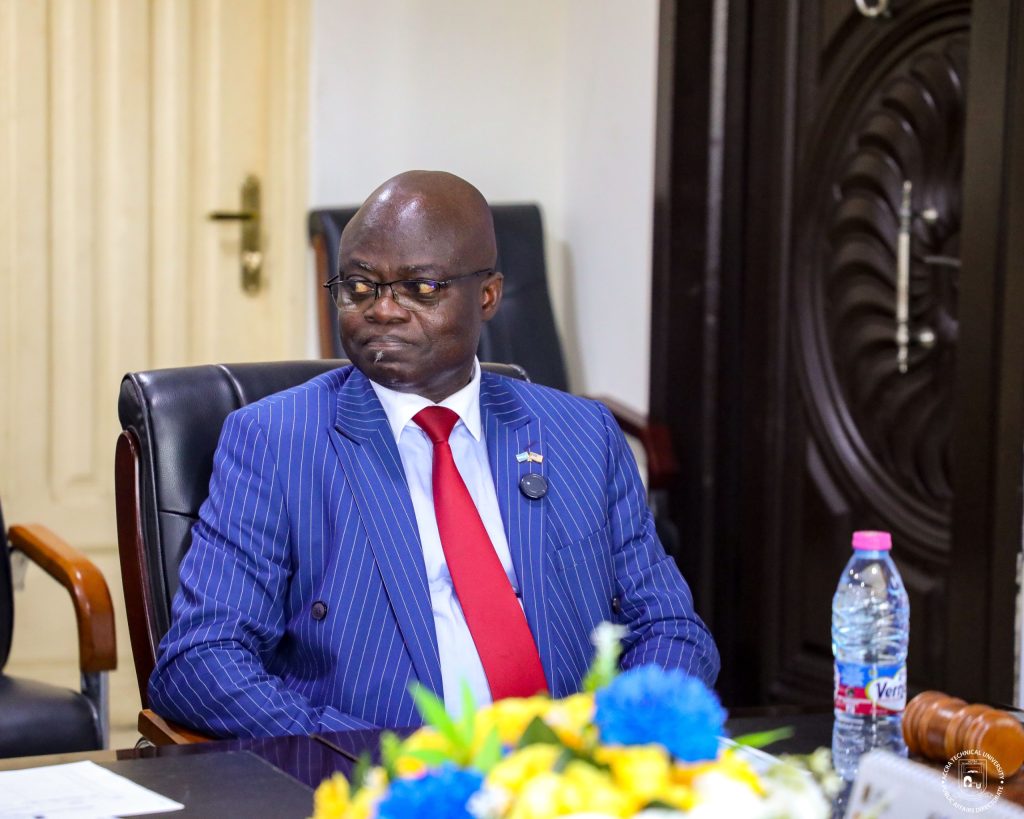
Researchers, policymakers, industry leaders and students have gathered at Accra Technical University for the second edition of the University’s Applied Research Conference.
Known as ARCATU 2026, the conference provides a platform for participants to share research, build partnerships and explore practical responses to Ghana’s development needs.
This year’s conference is being held under the theme, “Applied Research and Innovation for Sustainable and Resilient Development in an Era of Artificial Intelligence.”

It attracted 331 submissions, including 138 from international participants. A total of 250 papers are being presented in parallel sessions covering engineering, science, urban sustainability, applied arts, design, communication, business and entrepreneurship.

Opening the conference on September 16, the Pro Vice-Chancellor, Prof. Felix Kutsanedzie, said applied research was central to the mandate of technical universities.

He explained that institutions such as ATU were expected to develop practical knowledge, train skilled people and contribute to the growth of industry and the economy.

Prof. Kutsanedzie said the conference reflected the University’s effort to connect researchers with industry practitioners, policymakers, development partners and students.

He noted that new technologies were changing education, healthcare, research, communication and the workplace. AI was already being used in many of these areas, with further opportunities yet to be explored.

He encouraged participants to use the conference to share their research experiences, identify gaps and develop partnerships that could move promising ideas forward.

Building AI with local knowledge
The Director-General of the Ghana Tertiary Education Commission, Prof. Ahmed Jinapor, encouraged universities to prepare students and researchers for the changes being introduced by AI.

He compared the growth of AI to the arrival of computers, which changed how people worked and accessed information.

Prof. Jinapor said AI could improve research, speed up discovery and support the development of solutions to complex national problems.
He urged Ghana to contribute to the development of AI instead of depending mainly on technologies created elsewhere.

This, he explained, would require more Ghanaian and African data to train systems that understand local languages, culture and conditions.
He also encouraged researchers to bring indigenous knowledge into AI development. He identified fashion, manufacturing, building technology, the arts, traditional medicine and other applied sciences as areas with useful local knowledge.

Prof. Jinapor further stressed the need for clear ethical and regulatory systems to guide the responsible development and use of AI.
Moving research into practice
The Chief of Staff, Dr Julius Debrah, was represented by the Presidential Adviser on National Resilience and Emergency Preparedness, Mr Ernest Brogya Genfi.
In his address, Dr Debrah said Ghana had many ideas but needed better systems for turning research and innovation into practical solutions.
He said applied research should begin with a clear need and lead to a solution that could be tested, improved and used.
He encouraged universities, government and industry to work together from the early stages of research. This would make findings more relevant and reduce the gap between discovery and application.

He also called for research findings to be presented in clear language so that policymakers could understand the evidence and use it in making decisions.

On AI, he emphasised the need to protect personal information, respect citizens’ rights and consider local languages and culture.
Preparing students for an AI-driven future
The Minister for Communication, Digital Technology and Innovations, Mr Samuel Nartey George, was represented by the Ministry’s Director of Innovation, Mr Emmanuel Ofori.
Mr Ofori said universities had an important responsibility to prepare Ghana for the changes being created by AI.

He described AI as a tool that should support human decisions. He encouraged universities to give students practical problems that required critical thinking and the responsible use of technology.
He also called for curriculum reforms to help students develop industry-relevant skills in areas such as data science and AI strategy.
Mr. Ofori said Ghana’s National AI Strategy placed strong emphasis on research and education. A national framework with clear targets was also being developed to guide its implementation.
He challenged participants to identify ideas that could be tested in real working environments, attract support from industry and investors, and help government improve public services.
Through ARCATU, the University is creating space for research to move beyond presentation and contribute to practical change. The conversations and partnerships formed during the conference are expected to support further work in applied research, innovation and national development.

Conference participants and general public can download conference images via https://directorateofpublicaffairs-atu89.pixieset.com/arcatu2026opensconversationsonresearchaianddevelopmentday1/

Share

Facebook
X
WhatsApp
Email
Print