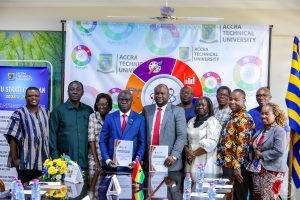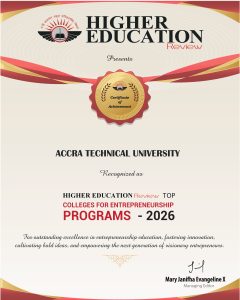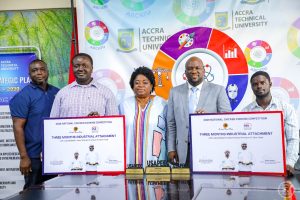
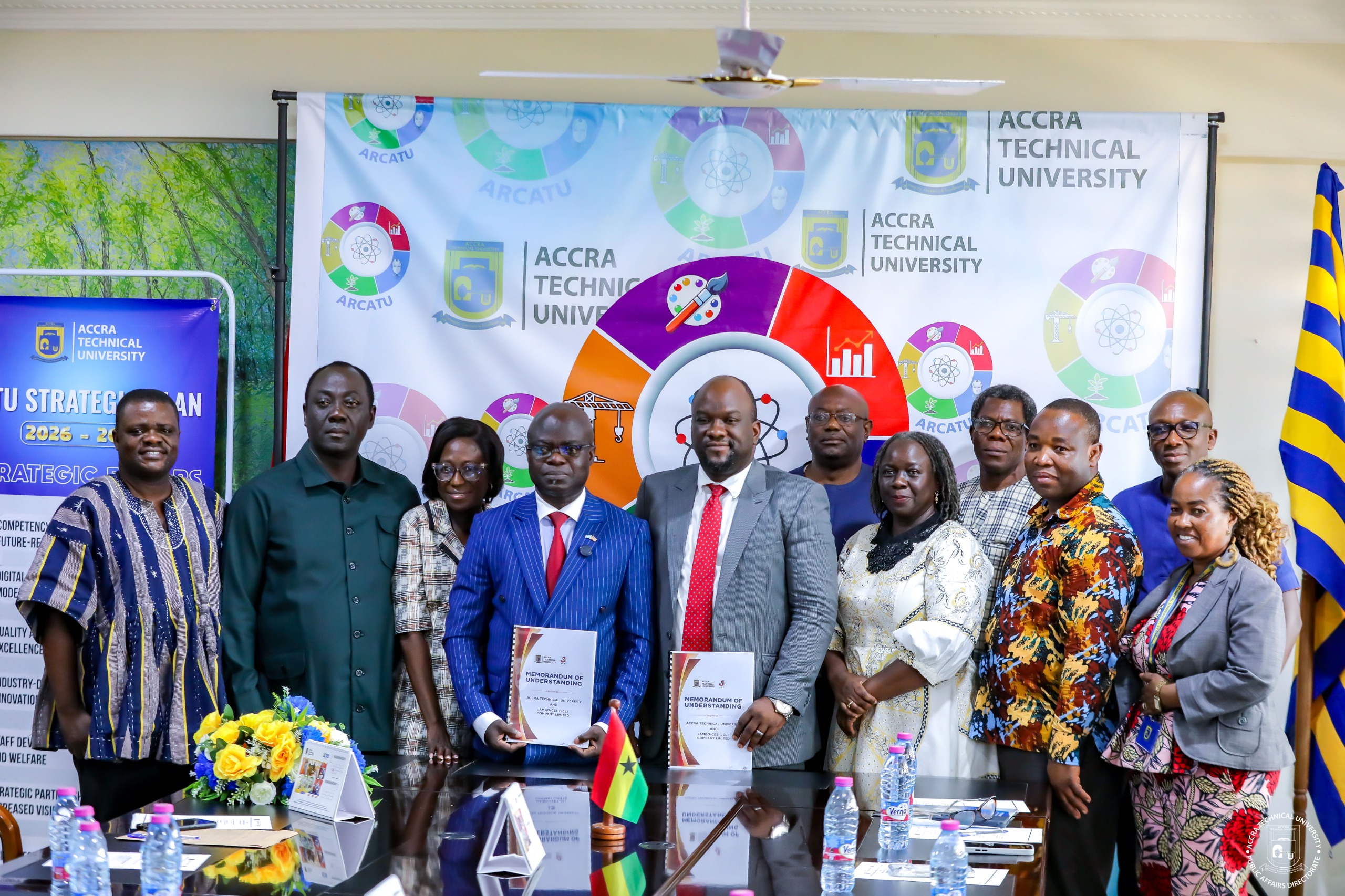
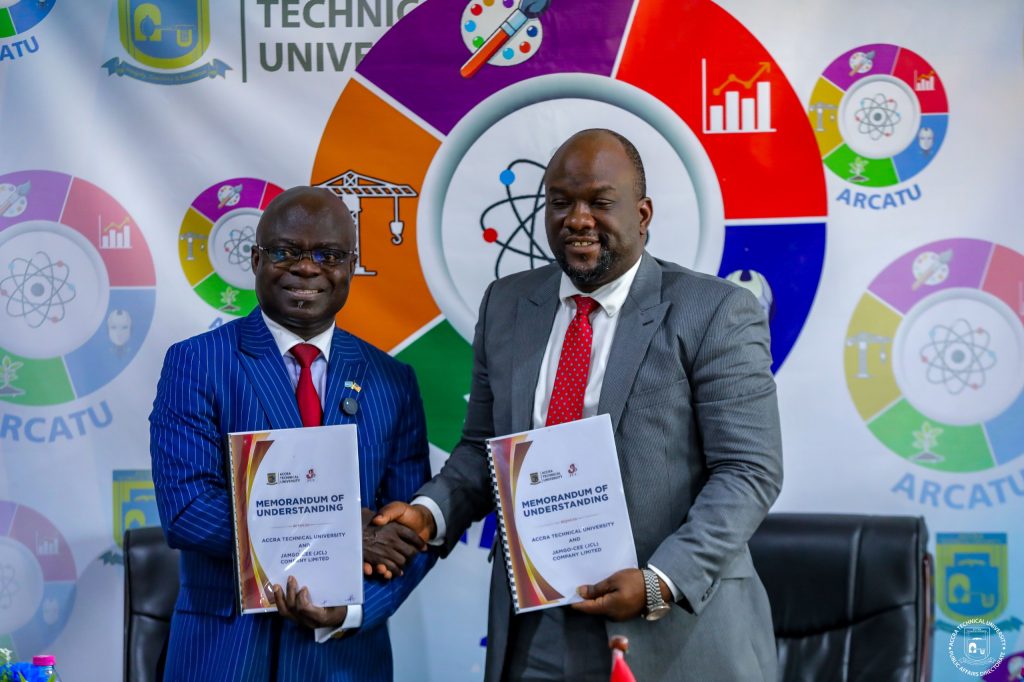
Accra Technical University (ATU) has taken another step to broaden its students’ international exposure by signing an agreement with Jamgo-Cee Company Limited (JCL).
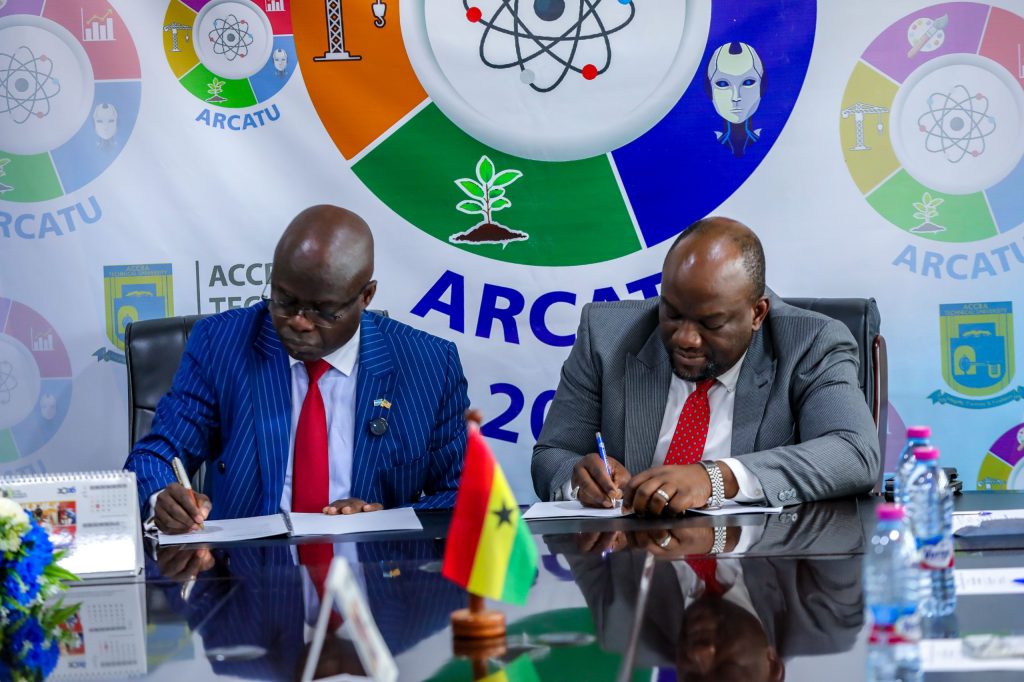
The agreement, signed on Thursday, October 8, 2026, at the University’s Council Chamber, will support educational trips, industrial visits and practical training for students.

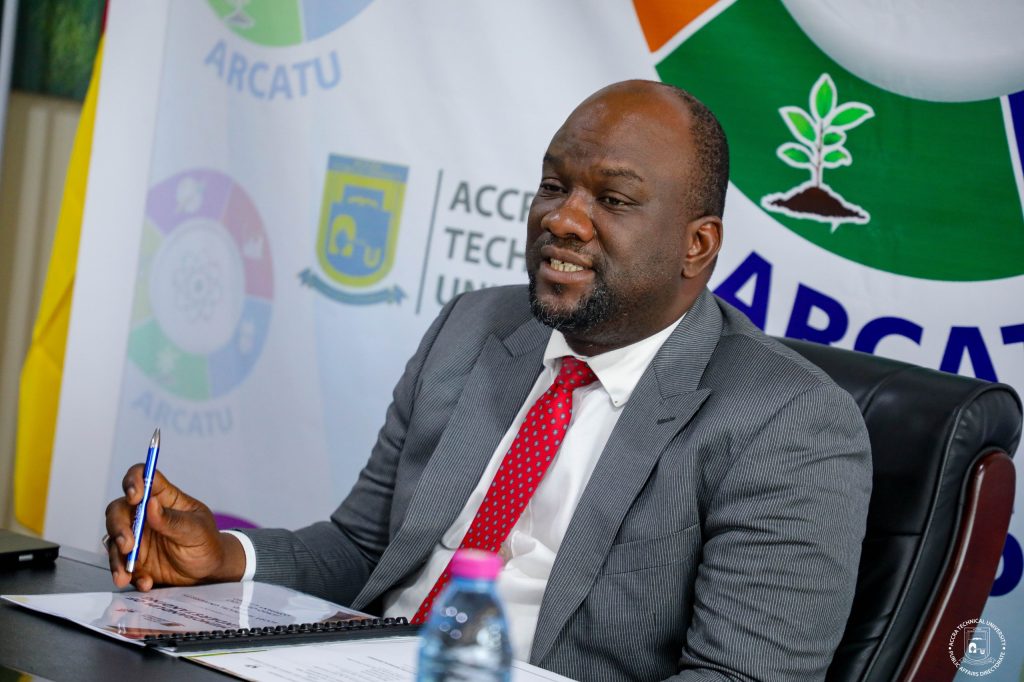
The Vice-Chancellor, Prof. Amevi Acakpovi, reiterated the importance of quality education and the need to close the gap in educational opportunities. He said his administration is keen on providing students with avenues of exposure through transnational education to transform their mindset and hone their skills.
He added that this approach by Management aligns with the United Nations Sustainable Development Goal 4 on quality education.
Prof. Acakpovi said it was imperative to close the international experience gap for students through initiatives like this. This would allow them to travel and experience different knowledge and teaching approaches in their fields of study. He welcomed JCL on board to help realise this goal.
JCL’s Chief Executive Officer, Mr. John Kwadwo Amaniampong, welcomed the opportunity to support ATU’s international collaborations through internships and training.



According to him, JCL has partnerships with more than seven companies and twenty universities across Tokyo, offering students opportunities to learn from different backgrounds and gain practical experience.
Mr. Amaniampong said he looked forward to ATU students joining these programmes to develop an international outlook. He assured Management of a smooth process and a partnership that would benefit both parties.





JCL is a Ghana-based company that connects students with international education and learning opportunities. Its programmes include student exchanges, industrial and leadership training, summer programmes and guidance on studying abroad.